Zimbabwe electoral appointments spark controversy ahead of 2024
Electoral commission’s appointments of people related to party stalwarts has triggered fears of electoral malpractice
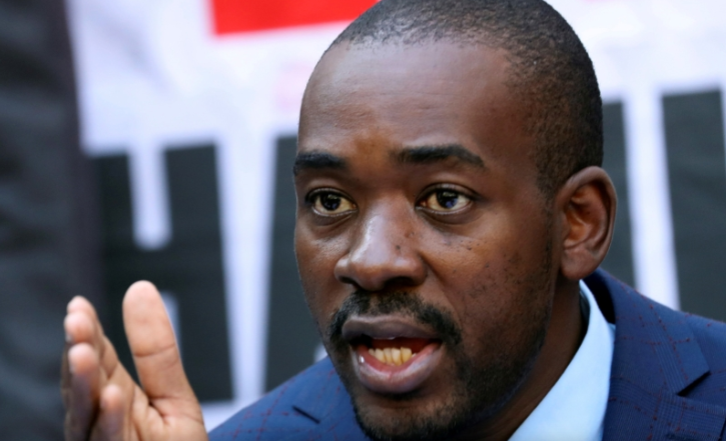
Opposition leader Nelson Chamisa addresses a media conference following the announcement of election results in
Harare, Zimbabwe.
Four years ago, Tawanda Kasirori imagined a new Zimbabwe he would live in – a thriving economy and a blossoming democracy. Today, none of that has happened and only a flicker of that hope remains, even as the 2024 presidential elections beckon.
Back in July 2018, Kasirori, an opposition supporter, believed young politician Nelson Chamisa was going to win the presidential election and end the dominance of the ruling Zimbabwe African National Union-Patriotic Front (ZANU-PF) party, which has been in power since the country’s independence in 1980.
Then ZEC announced that Emmerson Mnangagwa, who had taken over in a coup in November 2017 from Zimbabwe’s first president Robert Mugabe, had won.
“I still believe Chamisa won,” Kasirori, now 42, told Al Jazeera. “I am sure ZEC did something.”
Today, millions of supporters of Chamisa – then part of the Movement for Democratic Change coalition now in the Citizens Coalition for Change (CCC) – believe the ruling party interfered in the elections then and is gearing to do so again in 2024.
Since independence, ZANU-PF has been the only party in charge, save for a power-sharing arrangement between 2009 and 2013 between the late Robert Mugabe, the country’s first president and the late Movement for Democratic Change leader Morgan Tsvangirai who was prime minister.
And that long ride by the ruling party has caused dissent.
High inflation and a rapidly devaluing local currency have sunk Zimbabwe’s economy in the last couple of decades, worsened by declining manufacturing output and that has led to as much as 90 percent unemployment today.
There have been loud calls for change among many of the country’s estimated 15 million people, who blame ZANU-PF for economic mismanagement.